Choosing between a co-managed Security Operations Centre (SOC) and an outsourced Managed Detection and Response (MDR) service comes down to three things: the capabilities your organisation already has, the gaps you need to fill and the level of operational control you want to retain.
For some organisations, the best approach is to keep an internal security team and extend its coverage overnight and at weekends. For others, outsourcing more of the detection and response function provides access to specialist expertise without the cost of building that capability internally.
Neither model is automatically better. The right choice depends on your existing resources, security requirements and budget. It is about finding the most sustainable path to operational calm.
What is the difference between a co-managed SOC and outsourced MDR?
A co-managed SOC, sometimes called a hybrid SOC, combines an organisation’s internal security capability with support from an external provider. The internal team remains actively involved in security operations, while the provider takes responsibility for agreed activities that the organisation cannot or does not want to manage itself.
For example, an internal team might manage security during working hours, with an external provider extending monitoring and response overnight, at weekends and on bank holidays. Responsibilities can also be divided by technology, investigation or incident response. When an external provider supplements an internal team in this way, particularly to cover out of hours, it is often called SOC augmentation.
Outsourced MDR places more of the agreed detection and response activities with an external provider. This typically combines security technology, specialist analysts and established processes to identify, investigate and respond to potential threats.
Outsourcing does not remove the organisation's responsibility for its wider security risk. Internal stakeholders still need to provide environmental context, agree response permissions and make business decisions when incidents require them.
The key distinction is how security responsibilities are divided, and how much operational capability your organisation needs to provide itself.
Co-managed SOC vs outsourced MDR at a glance
Comparing the cost of a co-managed SOC and outsourced MDR
The monthly contract price is only part of the picture. A fair comparison considers the total cost of delivering the security capability your organisation needs.
The cost of a co-managed SOC
A co-managed SOC can make financial sense when you already have security analysts, suitable technology and the ability to manage some security operations internally.
However, your existing team still represents a cost, even if its salaries are already included in the IT budget. You should also account for time spent coordinating investigations, managing the provider relationship and maintaining internal processes.
Additional recruitment, training or specialist tools may be needed if your team lacks the capacity to fulfil its responsibilities. A model that relies on a handful of people being constantly available can also create pressure and leave gaps during holidays or staff absences.
Co-managed security works best when it builds on genuine internal capability rather than adding more responsibility to an already stretched team.
The cost of outsourced MDR
Outsourced MDR can reduce the need to recruit, train and manage a dedicated team for continuous security monitoring and response.
Building a 24/7 operation internally involves more than employing analysts. Covering a single analyst seat around the clock realistically takes a minimum of six full-time staff once holidays, sickness and training are accounted for. Management, specialist expertise and technology then add to the cost. An MDR provider can deliver agreed capabilities without requiring your organisation to build the entire operation itself.
There will still be internal responsibilities, including onboarding, providing context about your environment and handling escalations that require business input. Existing technology and licensing costs may also remain, depending on the service.
The important question is whether the provider’s fees, combined with the internal resources still required, offer better value than the cost of building and maintaining an in-house SOC.
Compare total cost, not just the contract price
When comparing the options, consider:
- Internal salaries, recruitment, training and absence cover
- Security technology, licensing and maintenance
- Time spent investigating alerts, coordinating incidents and managing suppliers
- The operational risks associated with gaps in coverage or delayed responses
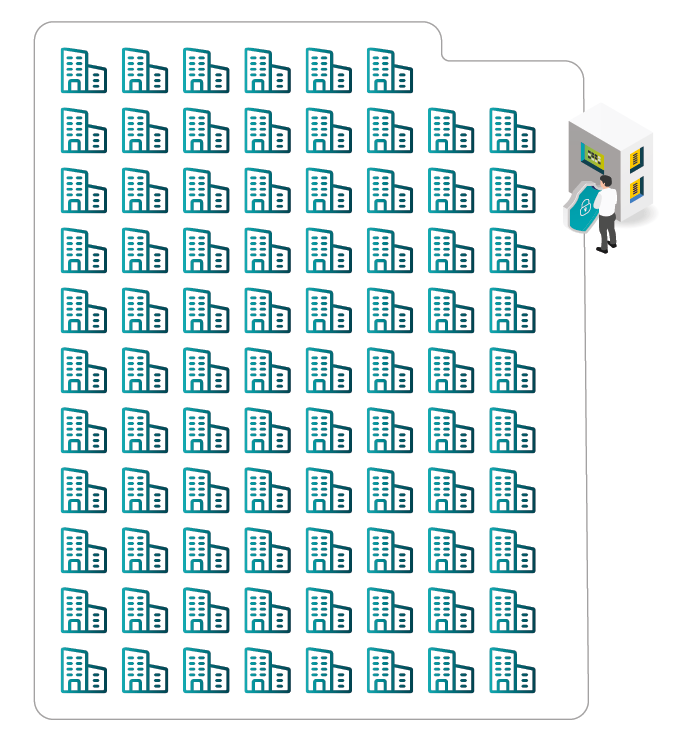
That last point is easy to underestimate. According to the UK government’s Cyber Security Breaches Survey 2025/2026, 65% of medium businesses and 69% of large businesses reported experiencing a cyber breach or attack in the last 12 months.
Co-managed security tends to suit organisations with an established team. Outsourced MDR often offers better value where significant extra staffing would otherwise be needed.
How each model affects staffing and expertise
With a co-managed SOC, your organisation retains an active operational role. This can be valuable when internal staff understand the business, its systems and its priorities, and they can continue developing their expertise while external support fills specific gaps.
However, this only works if your team has the time to play its part. If it is already stretched, a co-managed model risks adding to the noise rather than quietening it.
Outsourced MDR provides access to specialist analysts and established detection and response processes without requiring your organisation to recruit for every role. This can be particularly useful for smaller IT teams or organisations that struggle to recruit specialist security staff.
However, external support does not eliminate the need for internal ownership. Someone must still understand which systems are critical, authorise significant business decisions and coordinate the wider response to an incident.
The objective is to ensure that the combined capability is sufficient to identify threats, investigate them and respond appropriately.
How much control do you need to retain?
A co-managed model generally gives an internal team greater direct involvement in security operations. Your staff may continue investigating incidents, managing selected technologies or refining detection processes.
Outsourced MDR delegates more of the agreed detection and response work to the provider, potentially freeing internal staff to focus on security strategy, risk management and other priorities.
Neither model removes the need for clear responsibilities.
Before choosing a service, establish:
- Who investigates alerts
- Who can isolate a device or disable an account
- When your team must be contacted
- Which actions require approval
These arrangements should be agreed in advance. A co-managed service with unclear ownership can create delays just as easily as an outsourced service with poorly defined escalation procedures.
Which model is right for your organisation?
The best fit depends on the maturity of your security function, the resources available and the responsibilities you want to retain.
A co-managed SOC may suit you if…
- You have an established security team with knowledge of your environment.
- Your team can manage some security operations but cannot sustain overnight and weekend coverage.
- You want to retain direct involvement in investigations and operational decisions.
- You have the capacity to coordinate with an external provider.
A co-managed model can extend your existing capability without replacing it. A SOC Light arrangement may be worth exploring if you want external support alongside an internal function rather than outsourcing the entire operation.
When comparing services like this, check exactly what is included, particularly monitoring, investigation, response and escalation responsibilities.
Outsourced MDR may suit you if…
- Your internal IT or security team is too small to sustain dedicated security operations.
- You need continuous detection and response without recruiting and managing every role internally.
- You lack specialist skills or the capacity to maintain detection and investigation processes.
- You want internal staff to concentrate on wider security priorities.
Outsourced MDR gives you continuous detection and response without having to build a complete SOC. The important consideration is whether the service's coverage, response arrangements and reporting meet your requirements.
What if your organisation sits somewhere between the two?
Many organisations do not fit neatly into either category. You might have experienced security staff but limited out-of-hours capacity, or a capable IT team that needs specialist detection and response support.
Start by identifying which activities your team can deliver reliably, where its capacity is stretched and which capabilities are missing. Then compare the practical and financial implications of filling those gaps internally against using an external provider.
For a broader explanation of continuous security operations and the available approaches, read our guide to 24/7 security operations centres and continuous security monitoring.
Choosing a model that works in practice
Co-managed SOC and outsourced MDR services can both strengthen an organisation's security operations. The difference lies in how responsibilities are divided and whether that arrangement is realistic for your team.
Before deciding, look beyond the headline price. Consider the people, technology and processes required to deliver reliable coverage, and be clear about the responsibilities your organisation will retain.
The aim is not to choose the most comprehensive model on paper. It is to choose one your organisation can sustain, so threats are investigated and dealt with at any hour, and your team can work from a position of operational calm rather than constant firefighting.
If you are weighing up the options, Socura can help you identify where your team’s coverage gaps are and which model would close them.